


-

- Agronomy
- 5 Steps to Determine Harvest Order
1. Gauge corn stalk integrity and moisture content.
You may notice stalk rot developing in your fields in the fall. Cool, cloudy and wet conditions that are common in the fall make stalk diseases like fusarium and anthracnose more likely. Conduct a pinch test to check for stalk rot. Go down your corn rows and pinch 10 stalks in a row about 6 inches above the soil surface. If your thumb and forefinger meet, those stalks are compromised. If 15% of stalks tested in a field fail the test, prioritize that field for harvest.You may need to harvest grain at a higher moisture content than desirable in order to get it out of fields before lodging occurs. Now is the time to plan your drying strategy to ensure your propane is ready when you need it. Also, watch your early-maturing hybrids to ensure they don’t get too dry. Harvesting corn at less than 15% moisture increases harvest loss due to head shatter.
2. Assess soybean moisture content and lodging potential.
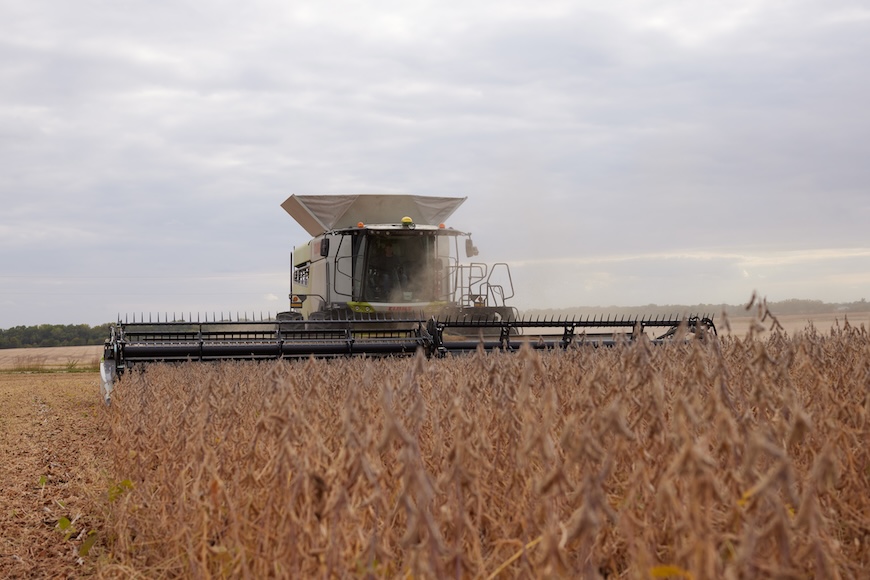
Harvest readiness in soybeans is largely determined by grain moisture content, which ideally should be about 13%. However, also consider standability if fields experienced hail damage during the season, which could weaken stems and make plants more prone to lodging.Insect infestations could also cause plants to lodge. For example, the soybean gall midge, which tunnels and burrows into the stem and feeds on the base. In these cases, you’ll want to bump those fields up in your harvest order.
3. Leverage technology.
Crop modeling tools can help predict when physiological maturity will occur in both corn and soybean plants, as well as estimate grain moisture content afterward. Talk with your CROPLAN® local retail seed expert to see how they can help plan and support your harvest order decisions with reliable data.4. Scout for insects and disease.
In addition to scouting for insects, watch for corn and soybean diseases, most of which tend to overwinter on residue such as leaves, stems, stalks, cobs and root material. Continuous corn and minimum- or no-till fields are at higher risk for disease, so potentially harvest those first if you do spot disease there. If you live in an area that didn’t get to harvest corn until the spring, those fields are probably going to have more residue at the surface because they didn’t get deep tillage in the fall.5. Note weeds and nitrogen levels for next season.
As you harvest, observe your weed control success from the combine. Make note of escaped weeds that have put on seed heads so that you can manage them for next year’s crop. Consider a basal stalk nitrate test after physiological maturity but before harvest. This could help you monitor nitrogen levels in your corn plants this year and determine if they were sufficient. Add this information to your scorecard at the end of the season to make better adjustments when planning for next year.Use the tools available to help you determine harvest order. Your CROPLAN local retail seed expert can also help you prioritize your fields.
All photos are either the property of WinField United or used with permission.
© 2026 WinField United. Important: Before use always read and follow label instructions. Crop performance is dependent on several factors many of which are beyond the control of WinField United, including without limitation, soil type, pest pressures, agronomic practices and weather conditions. Growers are encouraged to consider data from multiple locations, over multiple years and to be mindful of how such agronomic conditions could impact results. CROPLAN is a trademark of WinField United. All other trademarks are the property of their respective owners.
ENOUGH ALREADY, I’M READY FOR RESULTS.
Tired of the same old, same old? Looking for a partner this season and not just another buddy? Find your local CROPLAN retailer, and show those acres who’s boss.
RELATED INSIGHTS
4 Tips to Make the Most of Fall Alfalfa Management
There are four critical crop management areas to consider when alfalfa enters the fall season. While each of these are dependent on the challenges fac...
READ MORE ❱

Use Response-to Scores to Guide Agronomic Decisions
Not all corn hybrids have the same reaction to crop input applications. With response-to scores, you can better predict what kind of benefit you&rsquo...
READ MORE ❱
3 Things You May Not Know About CROPLAN® Seed
There’s a good chance you already know some of the benefits CROPLAN seed can bring to your operation. We’re proud to have a reputation bui...
READ MORE ❱
_1.jpeg?ext=.jpeg)